Classic Mini EV Retrofits: The Ultimate Urban Tool
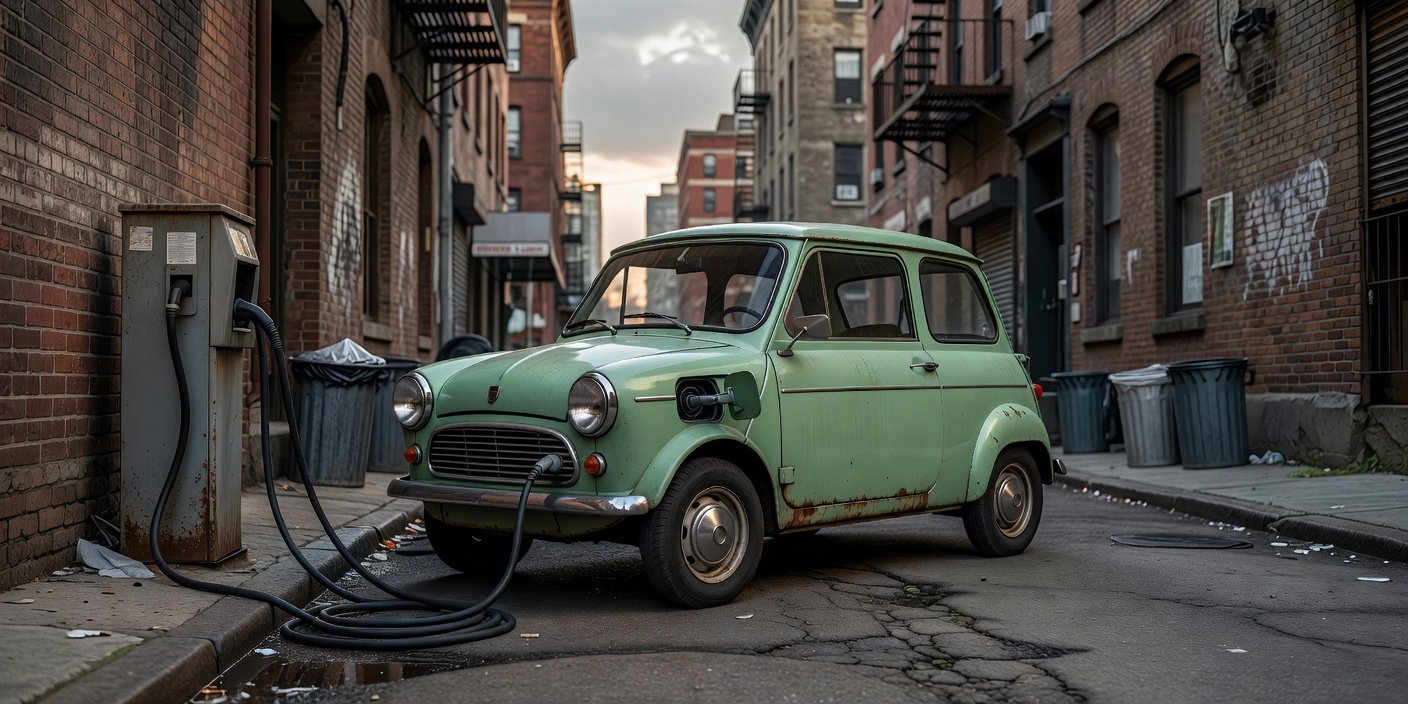
Alec Issigonis designed the original Mini to be maximum interior space in a minimum footprint. Its transverse engine layout and front-wheel-drive architecture revolutionized automotive design. Today, that exact same philosophy makes the classic Mini perhaps the most perfect candidate for electric conversion. It is light, built for the city, and historically intended to be hyper-efficient.
The Space Constraint
The greatest challenge in converting a classic Mini is packaging. The engine bay is notoriously cramped, originally designed to house a compact A-Series engine and a gearbox residing directly in the sump. Squeezing an electric motor, an inverter, a DC-DC converter, and enough battery modules for a usable range requires meticulous CAD modeling.
Because the Mini is aerodynamically inefficient at highway speeds and physically uncomfortable for long distance cruising, builders do not try to fit massive 80kWh batteries. The consensus for a Mini EV build aims for a highly efficient 20-30kWh pack. This provides ample range for urban commuting while keeping the vehicle's legendary light weight intact.
Front-Wheel-Drive Dynamics
The Mini's "go-kart" handling is legendary. To preserve this, engineers typically mount a compact transverse electric motor directly to the front subframe, driving the front wheels. Instant torque in a front-wheel-drive car weighing well under 800kg presents a specific issue: torque steer.
- Limited Slip Differentials (LSD): Essential for managing traction and ensuring power is put down evenly.
- Custom Driveshafts: Upgraded metallurgy to handle the immediate twisting force without shearing.
- Suspension Geometry: Adjustments to caster and camber to mitigate the darting sensation under heavy acceleration.
Modernization of the Cabin
While the exterior remains aggressively vintage, the interior of a Mini EV often sees subtle modernization. The central speedometer—a hallmark of the interior—is commonly refitted with a custom digital panel behind the glass. This retains the classic analog look when off, but illuminates to show state-of-charge, range, and motor RPMs when the vehicle is powered on. An electric heater replaces the weak original core, finally giving the Mini capable defrosting.
For city dwellers wanting classic style without the maintenance of carburetors and distributor caps, the electrified Mini stands as an unparalleled solution.