The Future of the Air-Cooled Era: Porsche 911 EV Restomods
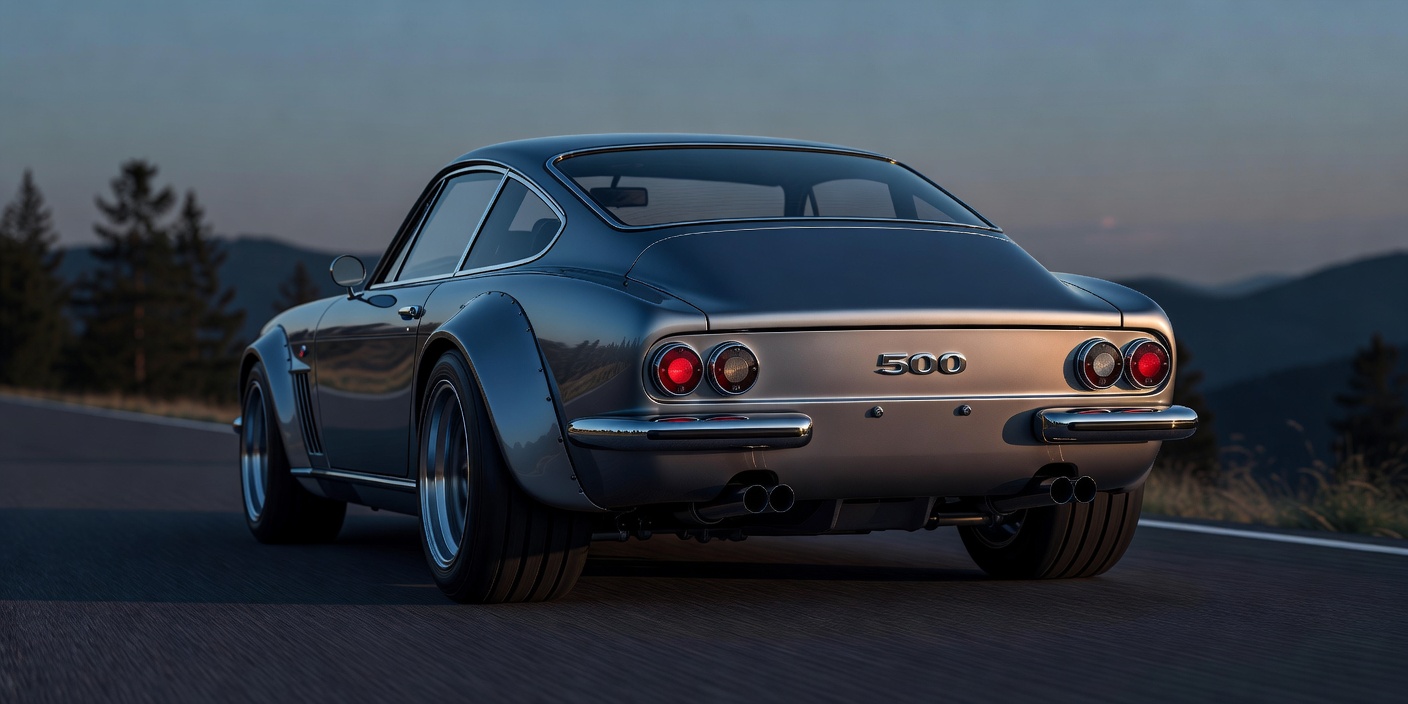
The air-cooled Porsche 911 represents a high-water mark for mechanical purity. Removing the iconic flat-six engine from its rear cradle is considered sacrilege by some, but a revelation by others. The engineering reality of a 911 EV restomod is an exercise in balancing weight, optimizing thermal management, and preserving a driving dynamic that took Stuttgart decades to perfect.
Weight Distribution and Dynamics
The defining characteristic of the 911 is its rear-engine layout. Traditional internal combustion models carry approximately 60% of their weight over the rear axle. This pendulum effect dictates how the car enters and exits corners. When converting to electric propulsion, engineers must decide whether to retain this rear-heavy bias or aim for a more neutral 50:50 distribution.
A common engineering approach utilizes "saddle packs." By dividing the battery modules into two primary clusters—one housed in the front trunk (frunk) and the other in the engine bay over the rear axle—the overall weight distribution can be finely tuned. This methodology often results in a slightly lower center of gravity than the original configuration, mitigating roll and enhancing mechanical grip.
| Specification Category | Original (ICE) Average | Electric Conversion Average |
|---|---|---|
| Weight Distribution | 40:60 (Front:Rear) | 45:55 (Front:Rear) |
| Center of Gravity | Standard OEM | Lowered by approx 40mm |
| Peak Torque Delivery | High RPM range | 0 RPM (Instant) |
Powertrain Architecture: Axial vs. Radial Flux
Space in the rear of a classic 911 is notoriously tight. The physical dimensions of the electric motor heavily influence the build. Many premium converters are turning to axial flux motors. Unlike traditional radial flux motors (which are cylindrical and longer), axial flux motors are shaped like thick discs.
This compact form factor allows the motor to be bolted directly to the original transaxle in some builds, preserving the manual shifting experience—a highly sought-after trait in restomods. Alternatively, a direct-drive setup can be employed, utilizing a custom reduction gear to deliver relentless, uninterrupted acceleration.
Reversibility and Preservation
Given the skyrocketing values of donor chassis (particularly 964 and 993 generations), preservation is paramount. The consensus within the premium tier of the industry is that a conversion must be 100% reversible. This means no cutting, welding, or structural modification of the original tub.
- Custom machined adapter plates utilize factory engine mounts.
- Battery enclosures are designed to slot into existing void spaces.
- Original gauges are retrofitted with digital internals to display state-of-charge and motor temperature while retaining analog faces.
The Driving Experience
The visceral noise of the flat-six is gone, replaced by the whine of the reduction gear and the rush of wind. However, the performance envelope is drastically expanded. With instant torque availability, the characteristic lift-off oversteer must be carefully managed, often mitigated by sophisticated traction control systems integrated into the modern Vehicle Control Unit (VCU). Enthusiasts note that the result is a car that remains distinctly a 911 in silhouette and steering feel, but accelerates with hypercar urgency.